
The first time I tried to buy microgreen seeds, I just typed “microgreen seeds” into a search bar and grabbed whatever showed up first. Cheapest option, decent-looking photos, done. Three weeks later I had a tray of leggy, pale sprouts that tasted like nothing and half a packet of seed that never even broke soil.
Turns out buying seed for home gardening isn’t the same as buying, say, a houseplant. You can’t see the germination rate in a photo. You can’t taste freshness through a screen. So most of the actual decision-making happens before the seed ever shows up at your door — in what you check, what you ask, and which seller you trust enough to skip asking at all.
Here’s how to actually do it right.
Sounds obvious, but it changes everything downstream. Cooking garnish for salads and sandwiches? Go with something forgiving — sunflower, pea, radish. Chasing specific nutrition, like sulforaphane from broccoli sprouts? Then variety matters more than ease of growing, and you’ll want to buy microgreens seeds from someone who stocks that seed specifically rather than settling for whatever’s in a generic mix.
A lot of beginners buy a mixed pack first, which is fine, but worth knowing going in — mixed packs almost always favor the easy growers (sunflower, pea) over trickier ones, so you’re not getting equal amounts of everything.
Germination rate is the single number that tells you the most, and it’s the one most listings quietly leave out. Above 80% is a good sign. If a seller doesn’t list it at all, that’s not automatically a red flag, but it’s worth a message asking before you commit to a bulk order.
Seed age matters more than people think. Microgreen seed doesn’t last forever in a warehouse or on a shelf — viability drops the older it gets, and it drops faster in humid storage, which is most of India for most of the year. A pack date, even an approximate one, tells you something a “best before” stamp alone doesn’t.
Untreated is the word to look for over “organic.” Some seed gets coated in fungicide to survive long storage and shipping, which isn’t something you want on greens you’re eating raw and unwashed within two weeks of sprouting. Untreated specifically rules that out.
Quantity per seed type should roughly match how you actually cook. No point buying 500g of arugula sativa microgreen seed if you use a pinch a week — it’ll sit around losing viability faster than you use it up.
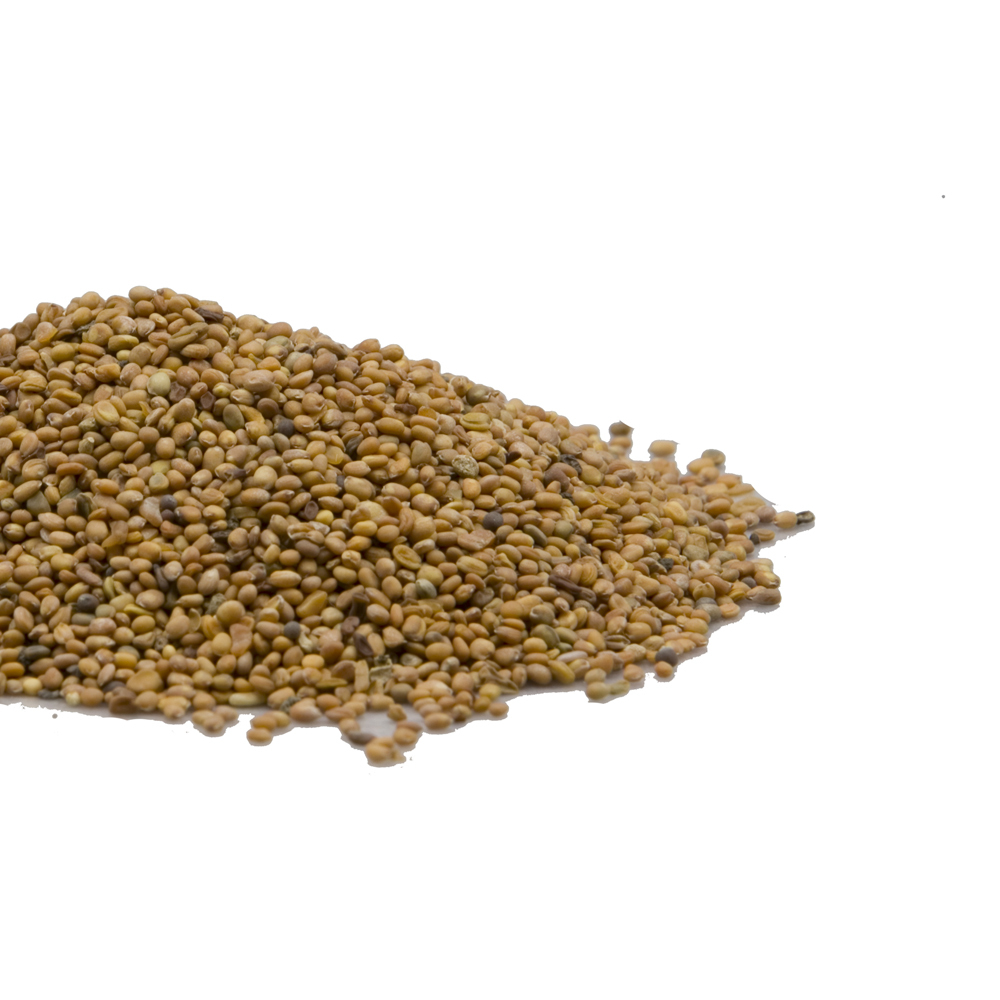
Most first-time buyers overbuy variety and underbuy quantity of the stuff they’ll actually use. Ten different seed types sounds fun in theory, and then eight of them sit in a drawer for six months going stale while you keep reaching for the same two or three you actually like eating.
Better approach — pick three to four types you’re genuinely excited to eat, buy a decent amount of those, and expand from there once you’ve got a rhythm going. Logical Greens breaks their seed listings down this way too, by ease of growing and typical use case, which honestly makes it a lot easier to buy with some intention instead of just grabbing whatever’s cheapest that week.
Sunflower germinates fast and forgives a lot — overwatering, underwatering, inconsistent light. Good first buy if you just want to see a tray actually work before you invest more.
Pea shoots are similarly forgiving, and the seeds are big enough that you can actually see problems (mold, rot) before they wreck the whole tray.
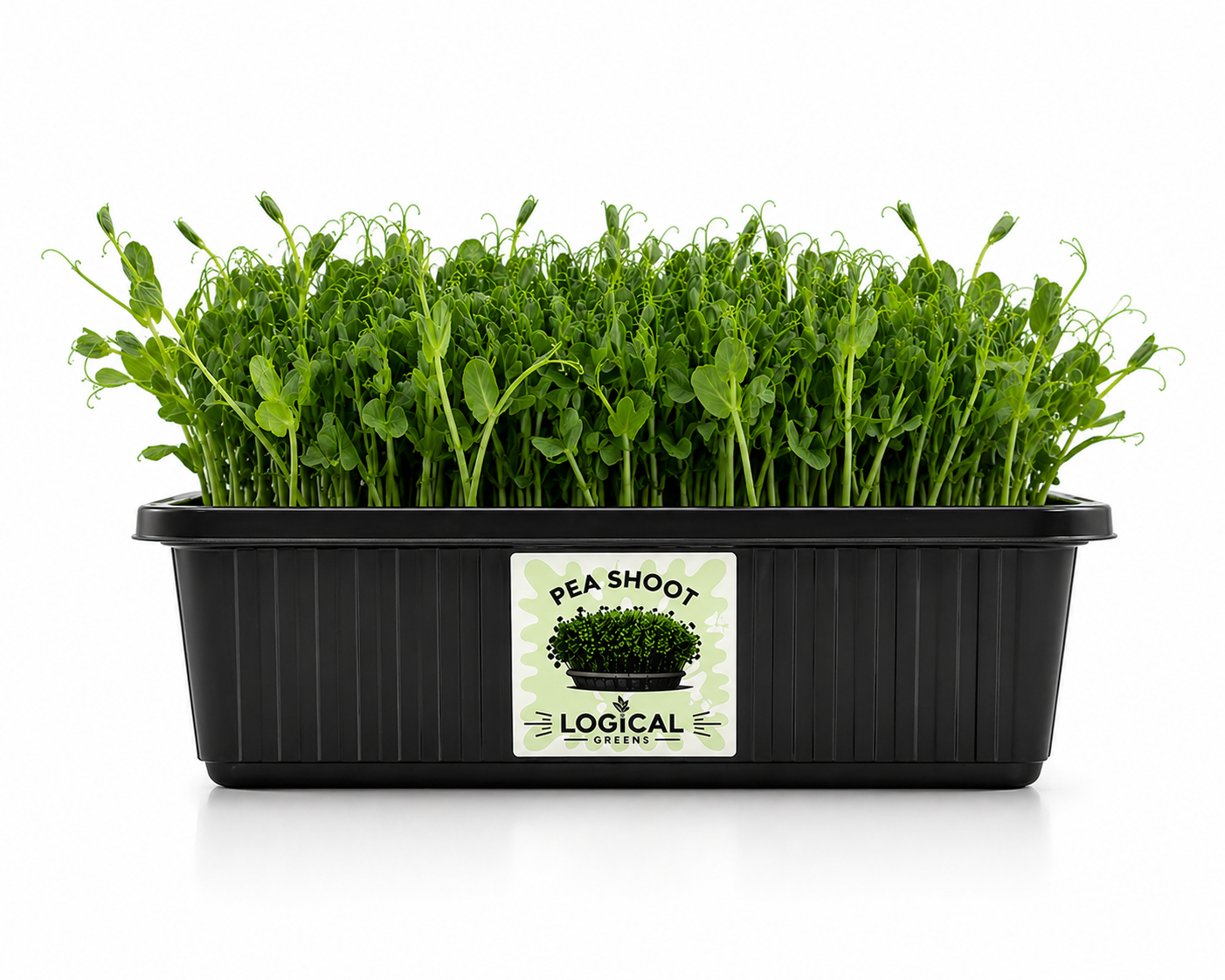
Radish grows fast enough that mistakes show up quickly and don’t cost you weeks of waiting — useful for a beginner still figuring out watering habits.
Broccoli and kale are a step up. Not hard exactly, but seed freshness affects them more noticeably than it does sunflower or pea, so buy these from a seller you trust on that front specifically.
To buy microgreen seeds for home gardening really comes down to two things — knowing what you’re actually going to grow and eat, and buying from someone who treats seed quality as seriously as you’re about to treat your tray. Skip the impulse buy, check germination rate and treatment before you order, and start smaller than feels necessary. You’ll know within your first tray whether you bought right.
Q1. What’s the best way to buy microgreen seeds for beginners?
Start with three or four forgiving varieties — sunflower, pea, radish — from a seller who lists germination rate. Expand once you’ve got one or two successful trays behind you.
Q2. Do microgreen seeds expire?
Yes — viability drops over time, faster in humid storage. Older seed still sprouts, usually just at a lower percentage than a fresh batch would.
Q3. Should I buy organic or untreated microgreen seeds?
Untreated is the more useful term to search for specifically, since it rules out fungicide coatings that “organic” alone doesn’t always guarantee.
Q4. Can I buy microgreen seeds and growing supplies together?
Some sellers, including Logicalgreens, offer seed alongside trays and growing medium, which is convenient if you’re setting up your first grow from scratch.