
A tray of organic microgreens looks almost too small to matter nutritionally — a few inches of stem, a couple of tiny leaves, nothing like the full head of broccoli sitting next to it in the fridge.
So the research is a little surprising, honestly. Study after study keeps finding that, gram for gram, these tiny plants pack noticeably more of certain vitamins and antioxidants than the mature vegetables they’d have grown into.
That doesn’t make them a replacement for regular vegetables — nobody’s actually living on microgreens alone. But there’s real substance behind the hype here, more than most “superfood” labels tend to earn, and it’s worth digging into what the research says instead of just repeating the buzzword.
Plants put a lot of their food into the beginning of their life. This is when a little seedling is making the things it needs to live and get strong.
If you pick the seedling at this point, which is called the seedling stage, you get a lot of good stuff. This is after the first real leaves come out. You are picking the Plants when they are still doing a lot of work and have not spread out yet.
The Plants have not grown big yet, so all the good things are still in a space. One study on lettuce seedlings found that they had the most antioxidants and other good things when they were just seven days old. After that, the levels of these things went down as the lettuce grew.
Polyphenols and other things that fight off stuff in our bodies are found in all kinds of microgreens. These microgreens have polyphenols that help our bodies deal with something called stress.
This is when our cells get damaged slowly. It is like when something gets worn out over time. This kind of damage is linked to a lot of health problems that people have over time. Microgreens have polyphenols that can really help with this.
Reviews of the research point to anti-inflammatory and antioxidant activity across several types, specifically red beet included, which studies have flagged as especially high in organic acids and flavonoids linked to antioxidant effects.
It’s one of the more consistent threads running through the research, though scientists are careful to note that human clinical trials still haven’t fully caught up to what the lab and animal studies are already showing.
Quite a few organic microgreen varieties test unusually high in vitamin K — the nutrient behind blood clotting and bone health. One study measuring phylloquinone (vitamin K’s plant form) across different microgreen types found a wide spread between them, with amaranth microgreens coming out near the top of the list. Vitamin C runs high too across most varieties generally, feeding into the body’s antioxidant defenses and immune function.
One comparison looked at mung bean microgreens against regular bean sprouts and found the microgreens carrying close to double the fiber, fresh-weight for fresh-weight, plus more calcium, magnesium, iron, and zinc on top of that.
Pretty meaningful gap for something this small — and it’s a big part of why microgreens keep getting lumped in with the fiber-dense, mineral-heavy foods despite barely filling a palm.
A handful of studies have dug specifically into microgreens and blood sugar. Broccoli microgreens, tested in animals, showed real improvement in insulin resistance — sugar moving out of the bloodstream and into cells more efficiently than it had before.
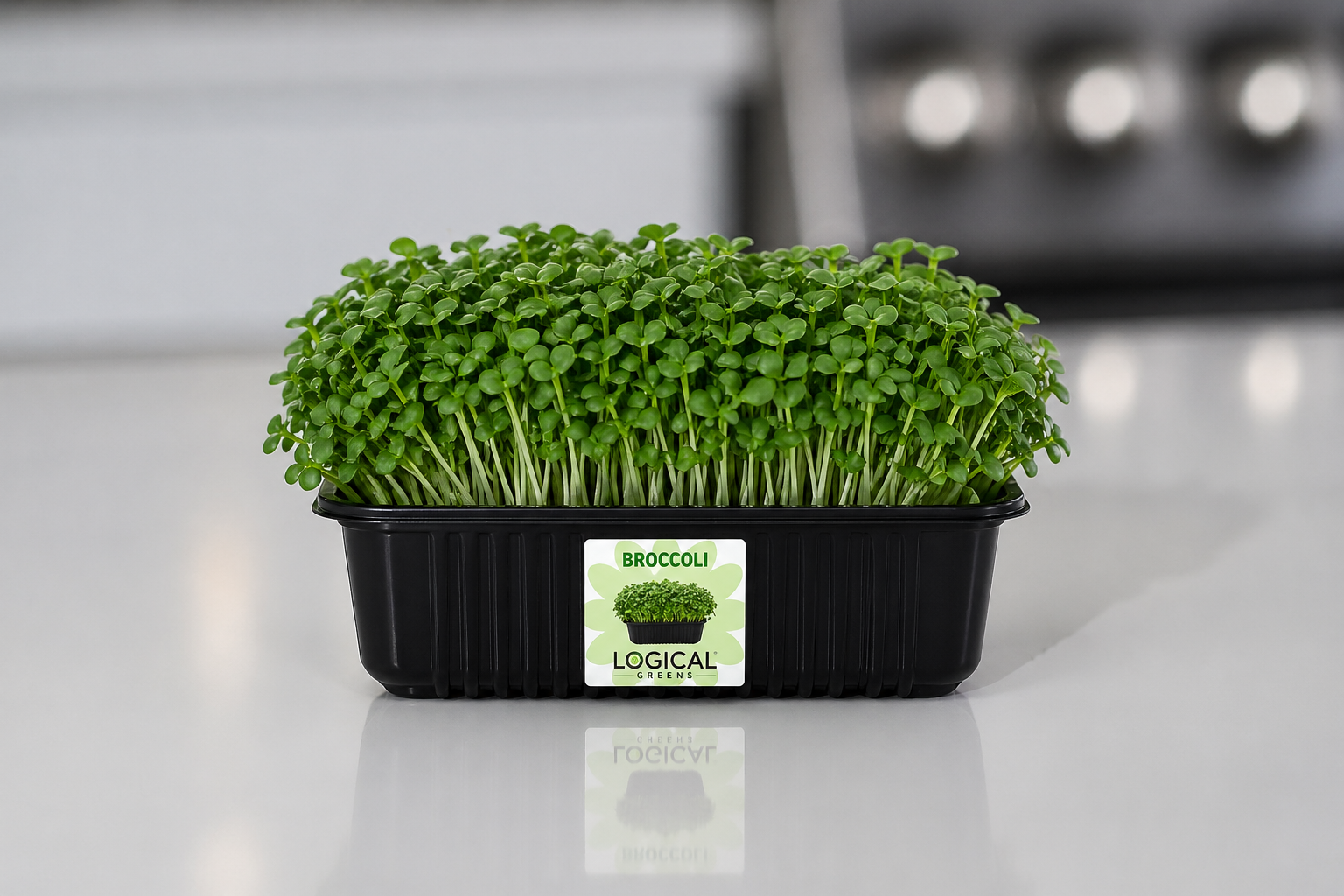
Fenugreek microgreens, common in a lot of Indian cooking, turned up something similar in early trials, with cells taking in sugar noticeably better in some of the tests. Worth saying plainly, though — this research is still young. Promising, sure, but nowhere near the large human trials it’d take to call this settled.
Microgreens get eaten raw, not really washed the way you’d wash a full head of lettuce, and gone within days of being cut. So whatever they were grown with ends up closer to your actual plate than it would with something peeled, cooked, or sitting around for weeks first. That’s the reason organic, untreated growing matters more here than it might for produce that goes through a lot more handling before it’s eaten.
It’s also why sourcing isn’t just a nice-to-have with this stuff specifically — a batch of organic microgreens grown and delivered fresh by Logical Greens is genuinely a different product from something treated and sitting packaged for a week before it lands on your counter. Both freshness and growing method shape the nutrient content directly, not just how it tastes.
Eat them close to harvest, first and foremost. Nutritional value starts fading fairly fast after they’re cut, so freshness here isn’t just about taste; it’s a nutrition question too.
Eat them raw when you can. Heat breaks down some of the more fragile compounds — vitamin C especially — so salads, sandwiches, blended into a smoothie, whatever keeps them uncooked preserves more of what made them worth buying in the first place.
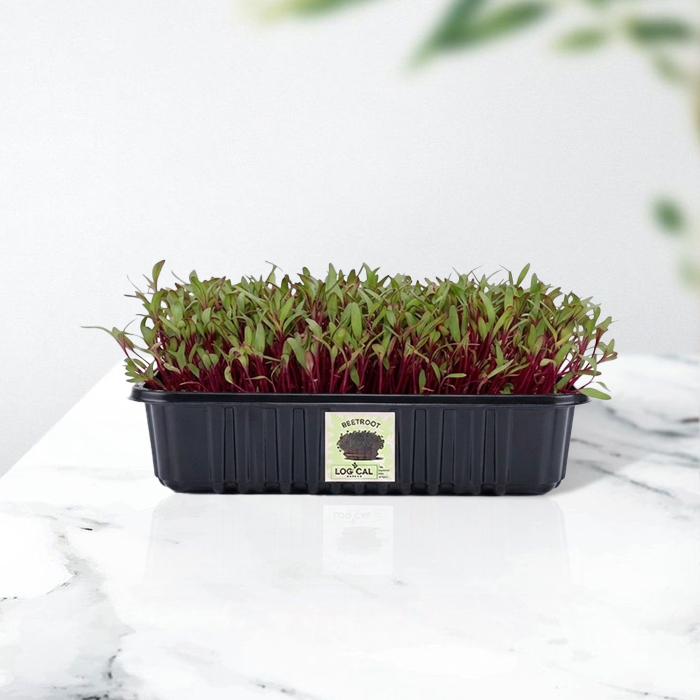
And mix up which type you’re eating. Beetroot microgreens leans antioxidant-heavy, broccoli carries the sulforaphane-related compounds, amaranth’s your vitamin K play.
Final Thoughts
Nobody’s calling microgreens a miracle food here, and plenty of this research still has a ways to go. But the core thread holds up across a genuinely wide body of studies — small as these things are, they’re carrying real vitamin, mineral, and antioxidant concentration worth paying attention to.
Fresh, organic microgreens get you closer to the actual profile the research keeps describing, since freshness and growing method both shape what’s sitting in that leaf. Worth treating as a real part of your diet.
FAQs
Q1. Are organic microgreens actually more nutritious than regular vegetables?
Often, gram for gram, yes. Several studies have found higher concentrations of certain vitamins and antioxidants in microgreens compared to their full-grown versions — though they’re not meant to replace a varied vegetable diet on their own.
Q2. Which microgreens have the most health benefits?
It really depends on what nutrients you are after. If you need antioxidants and organic acids, go with red beet, but vitamin K will be found in amaranth, and broccoli’s tied to blood sugar-related things.
Q3. Do microgreens actually help with blood sugar or diabetes?
Some early research — mostly animal studies — has shown promise with broccoli and fenugreek microgreens improving insulin sensitivity. Still developing, though, and it’s not a substitute for actual medical guidance on managing diabetes.
Q5. How should I eat microgreens to get the most nutritional benefit?
Raw, and as fresh as you can manage. Both cooking and time chip away at the nutrient content, vitamin C in particular.