
Radish is usually the seed people reach for first when they’re new to growing microgreens — fast, forgiving, hard to mess up. Which is exactly why it’s also the one where a bad seed batch gets blamed on “bad luck with growing” instead of what it actually was: a bad batch of seed to begin with.
Radish microgreens grow quick enough that seed quality problems show up within days, not weeks — patchy germination, weak stems, an off flavor that shouldn’t be there. So getting the seed right matters more here than people expect from something this supposedly easy. Here’s what to actually look for.
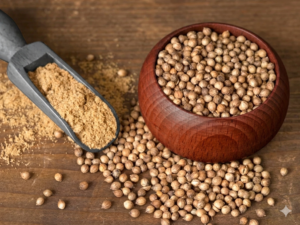
Here are a few things you need to keep in mind before looking into quality radish microgreens seeds.
This is the single number that tells you the most before you even plant anything. Good radish seed should sit above 85% germination — radish germinates faster and more reliably than most microgreen varieties, so a listing that doesn’t hit that range, or doesn’t list a number at all, is worth a second look before buying.
If a seller can’t answer a direct question about germination rate, that’s often a sign they haven’t tested their own stock recently, which says something about how the seed’s been stored too.
Radish seed sold for sprouting or microgreens should always say untreated, meaning no fungicide coating or chemical seed treatment. Some radish seed sold for garden planting — meant to go into soil outdoors and grow to full maturity — is treated with a fungicide to survive longer in the ground, and that’s not what you want ending up on a tray you’re eating raw within 10 days.
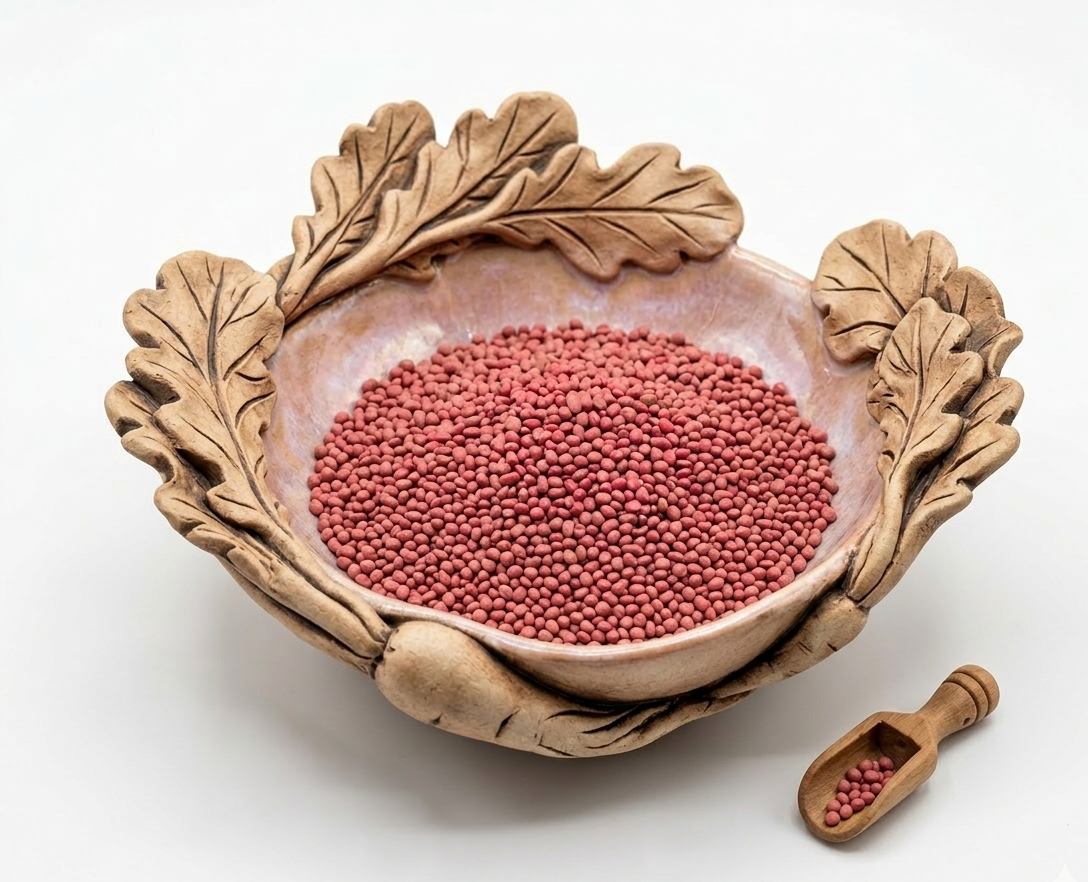
Pink Radish microgreens seeds keep reasonably well compared to some other microgreen varieties, but it’s not indefinite. A pack date, even approximate, tells you more than a vague “best before” stamp.
Seed stored in humid conditions loses viability faster regardless of age, so if a seller mentions how they store stock — cool, dry conditions — that’s a small but genuine sign of someone paying attention.
Good radish seed should look uniform — similar size, a consistent reddish-brown color, no visible mold, no unusually shriveled or broken seeds mixed in. If you’re buying somewhere that shows photos of the actual seed rather than just a stock image of a grown tray, that’s worth something. A seller confident in their product’s actual appearance usually has less to hide.
Radish seed is small and dense, so a little goes a long way — a standard 10×20 tray typically needs somewhere around 20-25 grams. Buying in bulk saves money per gram, but only if you’re actually growing regularly enough to use it before it ages out. For a first-time grower, a smaller pack from a seller with good reviews on freshness is a safer starting point than a large bag that’ll sit around losing viability.
Quality radish seed germinates within 2 to 3 days under normal conditions, with visible sprouting across the tray fairly evenly — not scattered patches with big gaps between them.
By day 5 to 7, you should see the true leaves starting to differentiate from the initial cotyledons, and by day 8 to 10, most trays are ready to harvest with a noticeably peppery, slightly spicy flavor that’s the whole point of growing radish over something milder.
If germination is patchy, slow, or uneven despite a decent growing setup, that’s usually a seed quality issue rather than something you did wrong — worth noting for next time rather than assuming it’s a growing skill problem.
Because radish microgreens grow and get harvested so quickly, there’s very little margin to correct for a bad batch mid-cycle the way you might with a slower-growing variety.
That’s part of why sourcing from a seller who actually tracks germination rate and batch freshness — rather than treating radish seed as a generic commodity — makes a real difference here specifically.
Logical Greens tests germination on radish seed batches before listing them for exactly this reason, since a variety this fast-growing doesn’t leave much room to catch a problem before it’s already shown up in the tray.
Radish is forgiving in almost every way except seed quality — get that part right and it’s genuinely one of the easiest microgreens to grow well. Check germination rate, look specifically for “untreated,” pay attention to freshness, and buy an amount that actually matches how often you’re growing. Get those basics right and radish earns its reputation as a beginner-friendly crop instead of becoming the seed that quietly puts someone off growing microgreens altogether.
Q1. What germination rate should I look for in radish microgreen seeds?
Above 85% is a good benchmark — radish germinates faster and more consistently than most microgreen varieties, so a lower number is worth questioning.
Q2. How long does radish microgreen seed stay viable?
It keeps reasonably well compared to other varieties, but freshness still matters — seed stored properly and used within a year or so of packing tends to germinate far more reliably than older stock.
Q3. How much radish seed do I need for one tray?
A normal tray has the size of 10×20 which means an average of 20-25 grams of seeds would be perfect. But it totally depends on how together you like to plant them..
Q4. Why does my radish microgreen tray have patchy or uneven growth?
This is more often a seed quality issue than a growing mistake, especially if your setup and watering are otherwise consistent — worth checking germination rate and freshness on your next seed purchase.